Showing posts with label poultry. Show all posts

Sunday, July 17, 2016

Poultry Feeds Explained

One of the most confusing things for a first-time flock owner is what to feed their birds! It seems like it would be so easy, just go to the store and buy "chicken feed," but when you get to the feed store, there are dozens of different types! What are all these different types of feed used for? Each of these feeds have a different purpose, and several of them may suit your flock.

Layer Feed

Layer feed is specifically designed for the laying hen, making sure she gets enough protein, calcium, and other minerals to keep her eggshells strong and her body and bones healthy. Layer feed is available in crumbles and pellets. There is a common misconception among holistic and organic bloggers that layer feed has hormones in it to make the hens lay more, but this is untrue. In fact, layer feed will not make hens lay more at all; it only keeps them healthy and keeps eggshells strong! 
Layer feed is best for hens who are more than 16-20 weeks old or laying, whichever comes first. Layer feed will not make them lay, so there's no rush! Do not feed it to young chicks, as their developing kidneys cannot handle the extra vitamins and minerals. Some believe that layer feed may cause kidney disease in roosters, which is a valid concern. However, many people have fed their roosters layer feed with no problems, myself included. Because of this, I believe that a rooster can handle the extra minerals as well as we can handle a multivitamin that gives us a little too much. 


Medicated Chick Starter

Medicated chick starter is for young chickens. This feed has a small amount of the drug amprolium which helps the chicks as they are exposed to coccidia without getting too sick. Coccidia is the single-celled parasite behind coccidiosis, a word which gives chicken keepers quite the headache. When using medicated feed, the chicks are exposed to the coccidia in the dirt, may contract a very mild infection which the amprolium in the feed helps them fight off before it gets too bad. They can still get a severe infection, however, if their waterers, feeders, and environment are not kept reasonably clean. Amprolium has no withdrawal time and there is no evidence that it is harmful to humans, although it cannot be used in an organic setting. 
Medicated chick starter is recommended for a minimum of 8 weeks of age, but you can feed it up to the point that you switch to layer (or other adult feed). It is mainly for chicken chicks. Game bird chicks (like guineas, turkeys, pheasant, quail) will need a higher protein feed than chickens, but you can still find a medicated version of these feeds. It is commonly said that medicated feed is poisonous to ducklings. This is both true and untrue. Previously, medicated feed was made with a different type of drug which waterfowl could easily overdose on. Now, that amprolium is mainly used, medicated feed will not hurt them, but it is not necessary. Waterfowl are extremely resistant to coccidiosis, so they don't need and help preventing it. However, if you are raising them with chicks that eat medicated starter, it will not hurt the ducklings. Just remember to at a niacin supplement for ducks!
*UPDATE* Medicated feed is now controlled by the Veterinary Feed Directive and requires a prescription by a veterinarian in order to obtain. 

Unmedicated Chick Starter

It is as it seems - a basic chick starter with no drugs to control coccidiosis. It is nutritionally complete for the growing chicken! Chicks can develop immunity without the help of drugs, but it is more difficult on the chicken keeper! When feeding unmedicated feed, you must slowly expose them to coccidia by introducing them to dirt when they are around 2 weeks old, and gradually increase their exposure. The organic/med-free keeper must also take extra care to keep waterers, feeders, and bedding very clean, as a dirty environment exposes them to more of the coccidia's oocysts, which causes infection. 
Chicks and ducklings can eat starter up until it's time to switch them to layer feed! If using for ducks, remember to at extra Niacin (B3). Using brewer's yeast (NOT bread yeast!) is a good way to supplement for Niacin.

Game Bird Starter

This feed is for baby "wild" fowl, like turkeys, pheasant, and quail, and is available in medicated and unmedicated versions. Game bird starter is very high in protein. Game birds require more protein than chickens or ducks, so it is important that they have a higher-protein diet. They are generally fed this feed until about 8 weeks of age. 

Game Bird Feed

This is mainly for adult game birds. It provides turkeys, quail, pheasant, and other wild fowl with adequate protein and nutrition in their adult years. It is also often used for chickens and ducks during molting, to help regrow feathers quicker and easier. It can be given to ducks and generally is higher the the niacin they need, but may be too high in protein and cause angel wing in younger ducks. 

Grower/Finisher Feed

Although Purina started marketing this for layers, it was originally only for broilers, like the Cornish Cross. It is designed to lower protein to prepare these broiler chickens for butchering, and is usually given to them at 6 weeks old. 

Purina Flock Raiser

Purina's Flock Raiser is meant for the mixed flock of different ages and species. At 20% protein, is is nutritionally similar to most unmedicated chick starters. A mixed flock is difficult to feed, and a general flock raiser is a good solution, although some of them may need a supplement! For ducklings, you may need to add a bit of Niacin. Leave out free choice oyster shell for the layers (don't worry! The others won't eat it unless they need it). This feed is pretty well-rounded and a good choice for those who raise a mixed flock. 

Nutrena Feather Fixer

Feather Feather Fixer is designed for the molting bird to grow in strong, shiny feathers. It can also be used for birds which are exhibiting signs of protein deficiency, such as feather-eating. According to Nutrena, Feather Fixer has extra protein, vitamins, and greens for ideal feather regrowth. Many people have found that their birds grow more healthy-looking feathers and get through molts quicker when using this feed. 

Waterfowl Feed

Waterfowl feed is ideal for ducks, geese, and swans. With most other feed, they must have niacin added or suffer a painful deficiency or risk getting angel wing, a deformity of the wing caused by a too high-calorie, high-protein feed. When using waterfowl feed for adults or young, you don't have to worry about adding supplements because it is complete for them. If you are raising waterfowl separately from other species, and this type of feed is available to you, it is highly recommended to use feed specifically for waterfowl!

We hope that we helped clear up some confusion! What feed do you use for your birds? Leave a Comment! Remember to check out our Facebook Page and our Instagram for regular updates and cute pictures!

Sources:
"NatureWise Feather Fixer Poultry Feed for Molting." NatureWise Feather Fixer Poultry Feed for Molting. Cargill, Incorportated, 2016. Web. 17 July 2016. <http://www.nutrenaworld.com/products/poultry/naturewise-poultry/feather-fixer/>.

Gerhold, Richard W., Jr. "Overview of Coccidiosis in Poultry." : Coccidiosis: Merck Veterinary Manual. Merck Sharp & Dohme Corp, 2009. Web. 17 July 2016. <http://www.merckvetmanual.com/mvm/poultry/coccidiosis/overview_of_coccidiosis_in_poultry.html>.

"Metzer Farms Duck and Goose Blog: Can Medicated Feed Be Used for Waterfowl?" Metzer Farms Duck and Goose Blog: Can Medicated Feed Be Used for Waterfowl? Metzer Farms, 30 Nov. 2011. Web. 17 July 2016. <http://metzerfarms.blogspot.com/2011/11/can-medicated-feed-be-used-for.html>.


Monday, May 30, 2016

Breed Spotlight - Cayuga Duck


Image Source: Wikipedia Commons

The Cayuga duck is an American breed of duck, originating from the state of New York. This breed is characterized by it's black feathers, which are iridescent  in the sun. They are among the oldest American duck breeds, and have been fairly popular since the mid 1800s. 


Traits of the Breed

Image Source: Wikipedia Commons
The Cayuga duck has black feathers, with a beetle green iridescence in the light. They are as close to solid black as it gets - their bill and legs are black, and their eyes should be very dark brown. This medium-sized breed weighs between 7 and 8 pounds, and are a dual purpose breed, once being the most popular duck for meat before the Pekin was imported to the US. One reason this breed is desired among backyard keepers is the eggs that they produce. High-quality ducks produce black eggs, although they slowly fade to light grey as the female's egg cycle progresses. Cayugas are known for being good foragers, but also being quieter than other breeds such as the Pekin, making them a good choice for the urban duck enthusiast. Male Cayugas are frequently mute!


History

The history of the Cayuga duck is fairly unclear. The breed originated in the state of New York and is named after Cayuga Lake, of the Finger Lakes region. One theory states that a miller in Duchess County found a pair of black ducks on his property, and bred them to get the Cayuga breed. Experts disagree, and say that there is no evidence to support this claim. A more likely theory is that the breed derives from the English black duck, which were once popular in England. These black ducks were then bred to mallard ducks, leading to the breed as we know it today. Although the origin is still unknown, it is most likely that the Cayuga originated from these domestic black ducks, rather than mutated wild populations. 

Cayuga ducks became less popular when the Pekin was imported from China, as their black feathers made their carcass less desirable on the table than the Pekin's soft white. The Cayuga is making a comeback as backyard enthusiast are often attracted to their beauty and novelty over the utility of other breeds. 

Where to get them

As Cayugas have become common among backyard farmers, they are available at most large hatcheries that sell ducks. For the best, show-quality and darkest eggs, you should buy them from a breeder with stock proven in shows, who will show you his/her birds' eggs before you buy the ducklings. 
Hatcheries:

Sources:"The Livestock Conservancy." The Livestock Conservancy. The Livestock Conservancy, n.d. Web. 30 May 2016. <https://livestockconservancy.org/index.php/heritage/internal/cayuga>.

"Cayuga Duck." Wikipedia. Wikimedia Foundation, n.d. Web. 30 May 2016. <https://en.wikipedia.org/wiki/Cayuga_duck>.

Saturday, April 16, 2016

Poultry Illness - Chronic Respiratory Disease


There are many potential diseases that effect poultry. Chicken keepers must always be aware of symptoms their chickens may be showing so they can determine what is wrong and find a solution quickly. Some illnesses can be spread between domestic poultry and wild bird populations. Today, we discuss the highly feared Chronic Respiratory Disease.

At a Glance

Chronic Respiratory Disease (CRD), caused by the bacteria Mycoplasma Gallistepticum (often abbreviated MG), affects the respiratory system of birds and is highly contagious. To make matters worse, there is no cure for this condition, although there are treatments to control symptoms. It is often brought into a flock by bringing in a new bird and not following proper quarantine procedures. M. Gallistepticum can be transmitted to some wild birds, making it a potential risk to wild populations. Once infected, a bird will continue to carry the bacteria for the rest of it's life, spreading it to any other bird it is in contact with.

Transmission

Turkeys are susceptible to MG, making it a big problem for commercial turkey farms
M. gallisepticum is highly transmittable. It only takes coming into contact with someone who has come into contact with an infected bird, or bird's feces. The disease affects many captive species, including chickens, ducks, geese, pheasant, pigeons, and quail. Turkeys are especially susceptible to the bacteria, and infections are often more severe to them. When a bird shares a feeder or pecks the ground where someone's contaminated shoe was, it contracts the bacteria. Once that bird is infected, it spreads it to all of its flockmates, making the whole flock a carrier. CRD is transmittable through the egg, so offspring hatched from those eggs may have the illness. Chicks with CRD often die early on. Adults will likely not even show symptoms unless they are stressed, although there will likely be low hatch rate from their eggs and, as previously stated, their chicks may die quickly after hatching. All infected birds are carriers for life, and will transmit the bacteria to any bird they are in contact with. Humans can not be infected with M. gallisepticum. 


Symptoms and diagnoses 

The most common symptoms of CRD include wheezing, sneezing, coughing, decrease in egg laying, nasal discharge, and sometimes swelling of the face. There are many other diseases that cause these symptoms, so it is advisable to have your flock tested for M. gallistepticum before you make any decisions. If a bird dies, save it in the refrigerator and contact your local Department of Agriculture to see if they offer testing for common diseases. If they do not, call your nearest avian veterinarian and see if they can test the bird. A test must take place to identify MG specifically, as many other respiratory diseases follow the same symptoms. If it is positive, then you will have some tough decisions to make. 

Treatment and Options

The M. gallistepticum bacteria is resistant to penicillins, which affect the cell wall of the bacteria. They are susceptible to some broad-spectrum antibiotics, such as tetracyclines and tylosin. Treatment with antibiotics, given when there is a flair, will control the symptoms, but is not a cure for CRD. This can become costly over time. Do not sell or give away any eggs during the withdrawal period of antibiotics. Some people are allergic to certain antibiotics, and residues are left in the eggs while and after the birds are being treated. It can vary from seven to twenty-one days, and they package of your antibiotics should have it in the instructions.
Because infected bird will be a carrier for the rest of their lives, regardless of treatment, it is a wise decision to cull an entire infected flock and start over with new birds. While this sounds harsh, it is a reality. Your flock, as much as you love them, could pose a risk to native wildlife simply by being there. Not only that, but you can never sell a bird or hatching eggs, and any bird you add will also be infected with the bacteria. If your chickens are also you business, it will not be able to operate effectively when infected with this disease.

Most songbirds are resistant to MG, but it can be a big problem for Finches and other birds!
 If you choose to keep an MG positive flock and do periodic treatment, it is imperative that you have strict safety precautions, making sure that absolutely no wild birds can come in contact with your flock or their bodily fluids. If that means double-fencing or keeping your coop surrounded by a huge screen, so be it. If you go to friends house or to a feed store, make sure you're wearing shoes and clothes that have not come into contact with your chickens, and shower before going. Do not allow an MG positive flock to free range! It is your responsibility to make sure the illness doesn't leave your flock. 

Prevention

CRD is prevented by basic biosecurity measures. If you visit another farm, you should shower and change your clothes and shoes before coming into contact with your flock. Any new birds should be quarantined for at least two weeks, preferably four, to see if the stress of moving brings out symptoms. Quarantined birds should be totally away from the flock, and you should change your shoes (or wear shoe covers) and clothes after you come into contact with the new bird, before caring for your healthy flock. If you take a bird to a show, also quarantine them before adding them back to the flock. They may have come into contact with the bacteria from other birds at the show. Obtaining chicks and chickens from NPIP certified breeders and hatcheries is also a good way to prevent your flock from becoming infected, as NPIP tests regularly for disease. 

Quick Recap

Chronic Respiratory Disease/ Mycoplasma Gallisepticum:
  • is extremely contagious.
  • is a permanent condition; all infected birds are carriers for life.
  • can be a threat to native avian populations.
  • is NOT transmittable to humans.
  • has symptoms treatable with certain antibiotics.
  • is a particularly menacing threat to turkeys and finches.
  • needs a test to confirm diagnoses.
  • is preventable through basic bio-security procedures.
  • is tested for in NPIP certified flocks.

Have you ever dealt with CRD? Do you think your flock may be infected? Leave a comment, ask a question! Remember to check out or Facebook page and our Instagram for regular updates!

Sources:

Ley, David H., DVM, PhD. "Mycoplasma Gallisepticum Infection in Poultry."Merck Veterinary Manual. Merck Sharp & Dohme Corp, Sept. 2013. Web. 16 Apr. 2016. <http://www.merckvetmanual.com/mvm/poultry/mycoplasmosis/mycoplasma_gallisepticum_infection_in_poultry.html>.

"Mycoplasma Gallisepticum Infection, M.g., Chronic Respiratory Disease - Chickens." The Poultry Site. The PoultrySite, n.d. Web. 16 Apr. 2016. <http://www.thepoultrysite.com/diseaseinfo/94/mycoplasma-gallisepticum-infection-mg-chronic-respiratory-disease-chickens/>.

Saturday, June 20, 2015

Breed Focus: Rhode Island Red

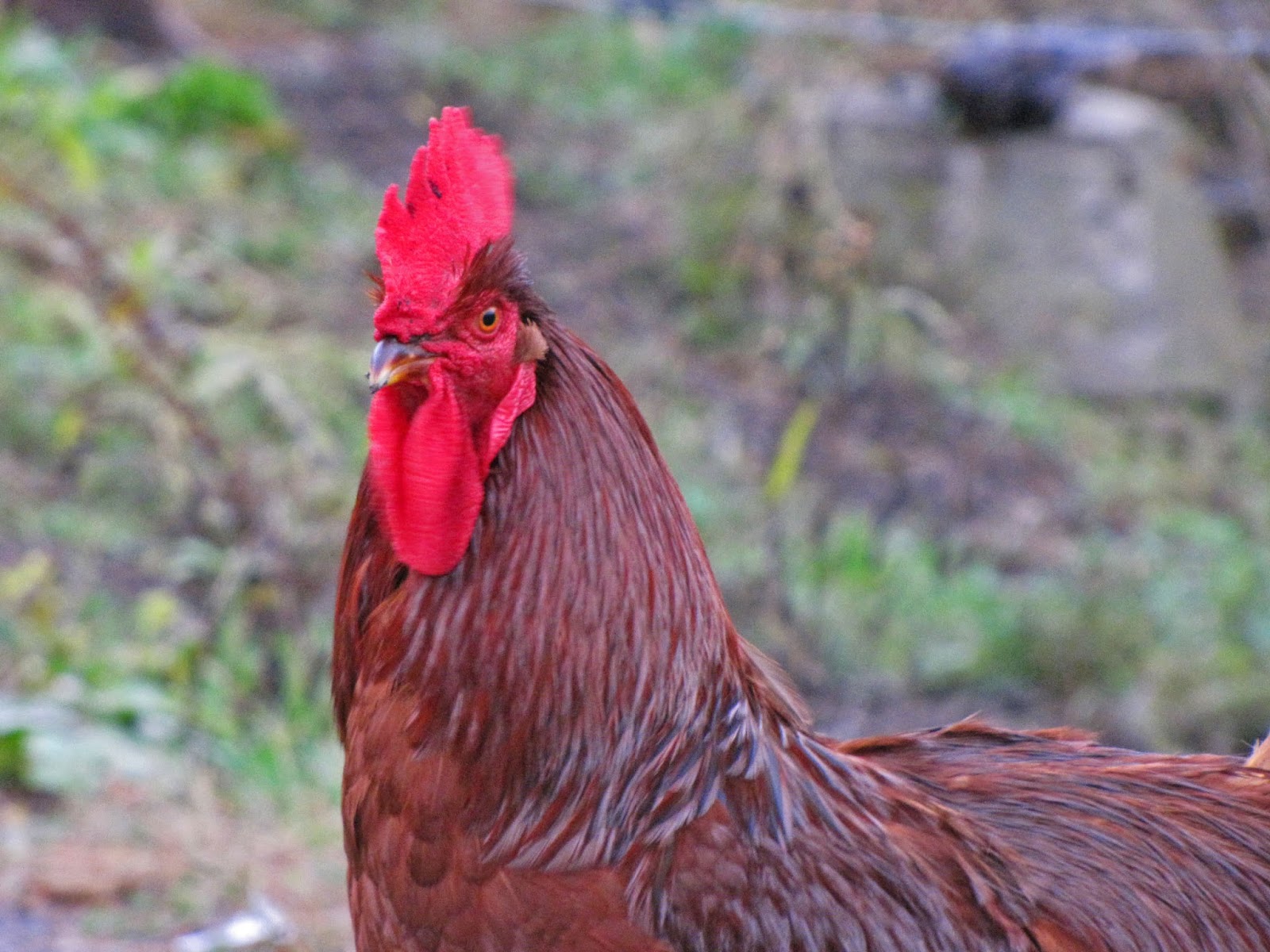
One of the most popular layers in the US and Rhode Island's state bird, this all-American breed is one of the first things to come to everyone's minds when they think of a chicken.


History of the Rhode Island Red Chicken

Developed in the late 1800s in Rhode Island and Massachusetts, this bird is considered the best American breed of poultry by many people. Originally, the Rhode Island Red had a deep mahogany color red feathers. This beautiful set of feathers were thanks to the Malay chicken, which was one of the breeds used to develop the Rhode Island Red. Other birds used included Asiatic Cochins and Brown Leghorns, for carcass size and egg laying capability. The purpose of this chicken was to have a significant amount of eggs, while dressing out as a nice carcass for the table. In 1902, the breed was admitted to the Standard of Perfection with the single combed variety, and the rose combed variety being admitted soon thereafter. 

Characteristics of the Rhode Island Red Chicken

Heritage Rhode Island Reds are most known for their dark mahogany feathers, though most hatchery-quality birds today have a lighter red colored feathering. They can have either a single comb or a rose comb, though the single combed variety is much more popular. Hens weigh around six pounds fully grown and lay brown eggs, while cocks weigh in at about 8 pounds. Heritage-type Rhode Island Red hens are likely to go broody, while production-type birds have had it almost completely bred out. 
Rhode Island Red cocks are known to be on the aggressive side, but fiercely protective of their hens. However, personality varies based on birds, so there are docile RIR cocks as well.
These birds are excellent for small farms. They lay extremely well for a dual-purpose bird and can handle inadequate conditions better than most breeds, though it is not recommended. Being developed in New England, they are also cold tolerant and often lay in the winter. 
Because hatchery-type Rhode Island Reds (also called production reds) are not bred to the Standard or Perfection and may have blood of other breeds in their heritage, their characteristics may vary. Production-type Rhode Island Reds are more common than the heritage-type birds.

Is this breed for you?

If you want to have a few birds that lay extremely well, even daily, but are more cold hardy than the White Leghorn, this may be the bird for you!  They can do well in a thrown-together DIY coop, as long as there is ventilation and protection from drafts in the winter. If you want a broody hen, you may want to opt for the heritage type or add a single hen of a broody breed, such as an Orpington or a Silkie hen. Though they can be friendly, Rhode Island Reds, for the most part, are  not as fond of affection as some other breeds, so they may not make the best pets. If you don't want loving pet chickens, but a respectable layer and a decent free-ranger, the Rhode Island Red is certainly a breed to consider!

Sources and Links:

Thursday, June 18, 2015

AVIAN FLU - US and Canada

Backyard chicken keepers and big farmers alike are in all stages of panic at the moment. With large numbers of birds infected in the midwest, including a farm in Iowa culling a total of 5 million infected chickens! That is at one single farm! In the west, several wild ducks, hawks, and falcons have been found with the disease, and it has reached some backyard flocks as well.
While this has mainly taken place in the United States, There have been a few small outbreaks in southern British Columbia and Ontario in Canada as well.

Government Intervention

Several states have put a hold on all large poultry sales, shows, and similar gatherings until the outbreak is under control. 
30 countries have banned US poultry due to the outbreak, particularly from Iowa, where the largest outbreaks have taken place. Iowa is the top commercial producer of eggs in the United States. Considering nearly half of the laying hens in the state have been culled, economics expect Iowa to take a pretty big economic hit.

Is my flock at risk?!

In the US Midwest, your flock could be at risk for contracting the Avian Flu Virus. Measures in biosecurity must be taken to ensure the health of your flock. Keep your birds pinned up, rather than free ranging, and do not add any new birds to your flock.
There have been smaller cases in the Northwest and Southwestern US states, so care must be taken even if you don't live in the Midwest (where the worst is taking place)! There have also been a few cases in southern Canada. There has yet to be a case found on the Atlantic flyway, though the CDC warns that migrations in the fall months may spread the virus more quickly. In my personal opinion, if you live in the US or southern Canada, even if you do not live in a 'hotspot,' measures need to be taken to avoid infection of your flock. Do not order hatching eggs or live birds from affected states (even from hatcheries - some have found the virus in their breeding flocks). If you get any new birds, quarantine should be even more strict than usual. Also, avoid allowing your flock to come in contact with wild birds - particularly migratory birds. It is suggested that you do not feed wild birds for this reason. If you take simple biosecurity measures, your flock will most likely be safe!
Luckily, it seems to be of no risk to humans. The CDC and USDA confirmed that no cases of HPAI H5 (the three viruses in the US and Canada currently) have infected humans, though they warn that it's not impossible for humans to contract the virus.
However, and outbreak of the H7N9 AI virus in China has resulted with infections among humans. This is different from the viruses we are experiencing in the US and Canada. 

Figures

In the United states alone, nearly 50 million birds have been culled due to Avian Influenza. The majority of these numbers come from large factory farms.
The US egg industry have taken a huge hit from the epidemic, with egg prices nearly doubling over the past few months. Many bakeries have have been completely cut off, and some grocery stores have begun rationing eggs (limiting the amount you can buy per purchase). Bakeries and restaurants are turning to European eggs and plant-based substitutes to use in their goods.

Effect on Backyard Poultry Owners

Before we flip out and give up on poultry, it's best to analyze the situation. Sure, many birds have had to be culled due to outbreaks. However, most of those were in commercial operations and therefore small backyard flocks could be easy to keep secure and disease-free with fewer birds to house and monitor. With the egg rationing, price increase, and public panic over the virus, this situation would be extremely easy to take advantage of and sell excess eggs! 
Whether you plan to take advantage of the situation and jack your own egg prices up, be kind and keep them the same, or quarantine your whole flock and not sell anything, the AI virus will likely have some effect on poultry owners. Keep yourself updated constantly and track individual outbreaks using this map!

Sources and Links: